
If you’ve ever browsed a liquor store or searched for premium whisky recommendations, you’ve probably come across the term “single malt whisky.” Brands like Glenfiddich, Glenlivet, Indri, Amrut, and Paul John proudly use this label. But what exactly does it mean?
Many beginners assume that “single malt” refers to a premium grade, a special ingredient, or simply an expensive whisky. In reality, the term has a specific meaning related to how and where the whisky is produced.
Understanding what single malt whisky is can help you make better buying decisions and appreciate the craftsmanship behind some of the world’s most celebrated whiskies.
In this beginner-friendly guide, we’ll explain everything you need to know about single malt whisky, including how it’s made, how it’s different from blended whisky, and whether it’s worth trying.
What Does “Single Malt” Mean?
The term single malt whisky can be broken down into two parts:
Single
This means the whisky comes from one distillery only.
For example:
- Glenfiddich 12 Years is produced only at Glenfiddich Distillery.
- Indri Trini is produced only at Indri Distillery.
Even if different casks are used, the whisky must originate from the same distillery to be called a single malt.
Malt
This means the whisky is made entirely from malted barley.
No other grains such as corn, wheat, or rye are used in the production process.
In simple terms:
Single malt whisky is a whisky made entirely from malted barley at a single distillery.
How Is Single Malt Whisky Made?
Although each distillery has its own methods, the general process remains similar.
1. Malting
Barley grains are soaked in water and allowed to germinate. This process activates enzymes that convert starch into fermentable sugars.
The germination is then stopped by drying the barley.
2. Mashing
The dried malted barley is ground into a coarse flour called grist.
Hot water is added to extract the sugars, creating a sweet liquid known as wort.
3. Fermentation
Yeast is added to the wort.
Over several days, the yeast converts sugars into alcohol, producing a liquid similar to beer.
4. Distillation
The fermented liquid is distilled, usually twice in copper pot stills.
Distillation increases the alcohol concentration and refines the spirit.
5. Maturation
The spirit is transferred into oak casks for aging.
During this period, the whisky develops:
- flavor
- color
- aroma
- complexity
Many countries require minimum aging periods before whisky can be legally sold.
6. Bottling
After maturation, the whisky is bottled and prepared for consumers.
Single Malt vs Blended Whisky
One of the most common questions beginners ask is how single malt differs from blended whisky.
| Feature | Single Malt Whisky | Blended Whisky |
|---|---|---|
| Distillery Source | One distillery | Multiple distilleries |
| Main Ingredient | 100% malted barley | Malt whisky + grain whisky |
| Flavor Profile | More distinctive | Often smoother and lighter |
| Price | Usually higher | Often more affordable |
| Best For | Flavor exploration | Everyday drinking |
Neither category is automatically better.
Some people prefer the complexity of single malts, while others enjoy the consistency and accessibility of blended whiskies.
Why Is Single Malt Whisky More Expensive?
Single malt whisky often costs more because of several factors:
Longer Aging
Many single malts spend years maturing in oak casks.
Smaller Production Volumes
Single malt distilleries typically produce smaller quantities compared to large-scale blends.
Premium Ingredients
Only malted barley is used.
Craftsmanship
Single malts often emphasize traditional production methods and distinctive house styles.
The higher price reflects the production process rather than simply the brand name.
What Does Single Malt Whisky Taste Like?
The flavor of single malt whisky varies significantly depending on the distillery, region, and cask type.
Common tasting notes include:
Fruity
- Apple
- Pear
- Citrus
- Dried fruits
Sweet
- Honey
- Vanilla
- Caramel
Spicy
- Cinnamon
- Black pepper
- Nutmeg
Smoky
- Campfire smoke
- Peat
- Earthy notes
For example:
- Glenfiddich 12 is known for its fruity sweetness.
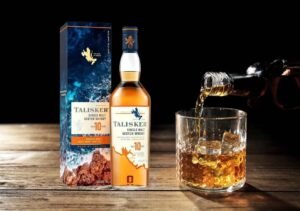
- Talisker 10 offers smoky and peppery coastal flavors.
- Indri Trini combines spice with dried fruit richness.
Is Single Malt Better Than Regular Whisky?
Not necessarily.
Whether single malt is “better” depends entirely on personal preference.
Single malt may appeal to you if:
- You enjoy exploring different flavors.
- You appreciate craftsmanship.
- You prefer sipping whisky slowly.
Blended whisky may suit you if:
- You prefer lighter profiles.
- You want better affordability.
- You enjoy whisky with soda or cocktails.
The best whisky is the one you genuinely enjoy drinking responsibly.
Best Single Malt Whiskies for Beginners
If you’re interested in trying single malt whisky for the first time, consider these beginner-friendly options:
| Whisky | Flavor Profile | Approx Price |
|---|---|---|
| Glenfiddich 12 Years | Fruity & smooth | ₹5,000 – ₹6,500 |
| Glenlivet Founder’s Reserve | Citrus & vanilla | ₹4,500 – ₹6,000 |
| Paul John Brilliance | Honey & spice | ₹3,500 – ₹5,000 |
| Indri Trini | Rich & fruity | ₹3,500 – ₹4,500 |
| Glenmorangie Original 10 | Light & creamy | ₹4,500 – ₹5,500 |
These whiskies offer approachable flavor profiles without overwhelming beginners.
How Should You Drink Single Malt Whisky?
There is no single “correct” method.
Popular options include:
Neat
Allows you to experience the whisky exactly as intended.
With Water
A few drops can help open up aromas and flavors.
On Ice
Can soften stronger alcohol notes.
Many enthusiasts recommend trying it neat first before experimenting.
Common Myths About Single Malt Whisky
Myth 1: Single Malt Means Single Barrel
False.
Single malt refers to one distillery, not one cask.
Myth 2: Older Whisky Is Always Better
False.
Age influences flavor, but older does not automatically mean superior.
Myth 3: Single Malt Must Be Scottish
False.
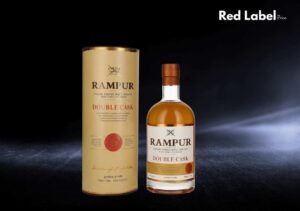
India now produces award-winning single malts through brands like Indri, Amrut, Rampur, and Paul John.
Single malt whisky represents one of the most fascinating categories in the whisky world. Produced from malted barley at a single distillery, it offers distinctive flavors, craftsmanship, and a deeper appreciation for how whisky is made.
For beginners, understanding what single malt means removes much of the confusion surrounding premium whisky.
Whether you eventually prefer smooth Speyside malts, smoky coastal expressions, or bold Indian single malts, exploring single malt whisky can become an enjoyable journey of discovery.
The key is to start with approachable options, experiment with different styles, and focus on finding the flavors that suit your own palate.
Frequently Asked Questions (FAQs)
What is single malt whisky in simple terms?
Single malt whisky is a whisky made entirely from malted barley at one distillery.
Is single malt stronger than regular whisky?
Not necessarily. Alcohol content varies between brands, but many single malts have similar ABV levels to blended whiskies.
Why is single malt whisky expensive?
Factors such as aging, smaller production volumes, premium ingredients, and traditional craftsmanship contribute to higher prices.
Is single malt whisky good for beginners?
Yes. Several beginner-friendly single malts, such as Glenfiddich 12 and Glenlivet Founder’s Reserve, offer smooth and approachable flavor profiles.
Which Indian single malt is best for beginners?
Indri Trini and Paul John Brilliance are excellent starting points for people interested in exploring Indian single malt whisky.





Add comment